Bathroom Decor: Elevate Your Space with Style
By
Sophia
Date
February 7, 2026
Read Time
5 min read
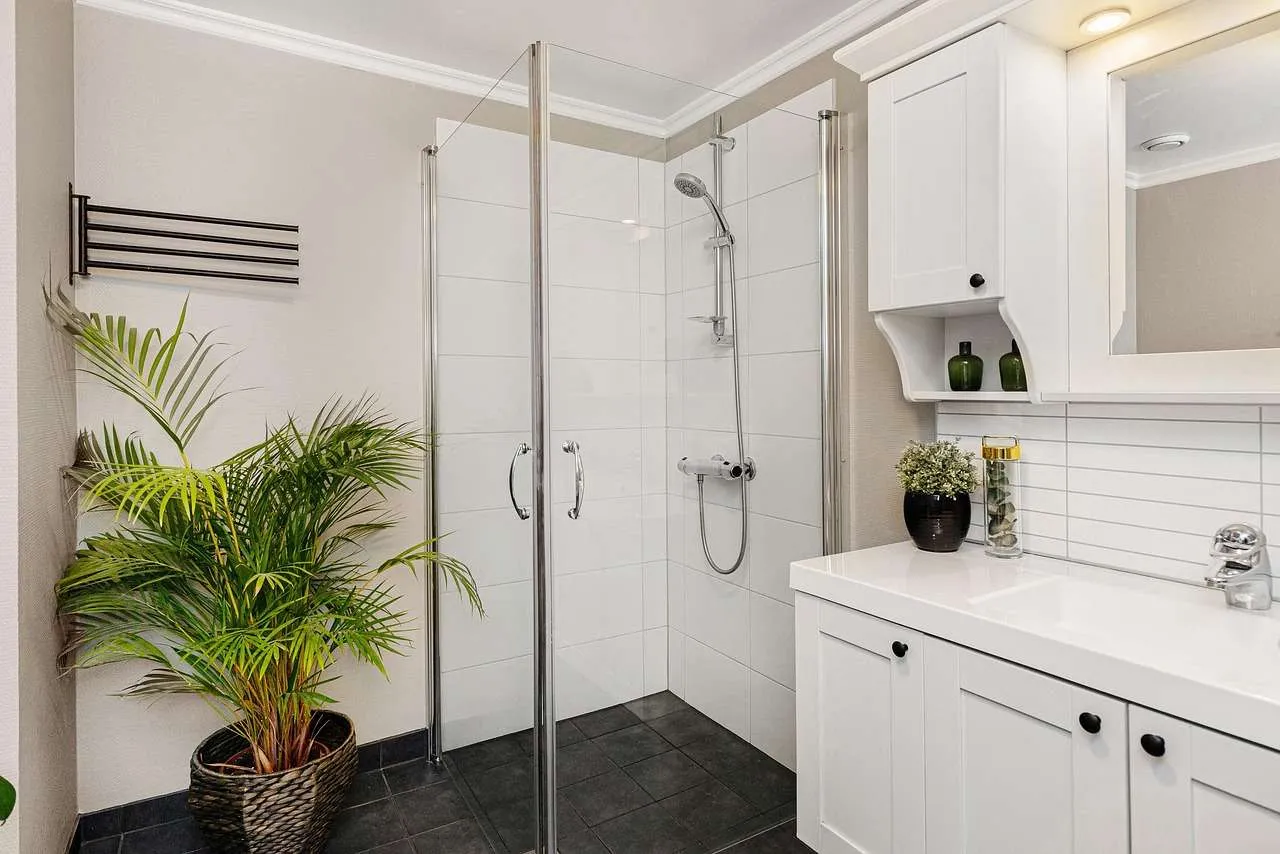
Introduction to Bathroom Decor
Bathroom decor is more than fixtures and textiles; it shapes daily rituals, mood, and how your home is perceived. A thoughtful approach blends function, durability, and personal style. With more than a decade of experience in interior design and product selection, this guide helps you evolve a bathroom that feels cohesive, calms tired eyes, and stays timeless as trends evolve.
Design Principles for Lasting Impact
Begin with core principles that support both form and function. Prioritize moisture resistance, easy cleaning, and safe layouts. Develop a cohesive palette that reflects your space and lifestyle, then layer texture and lighting to create depth.
Function First
Layout matters. Plan for sufficient clearance around the vanity, shower, and toilet. Include built in storage, recessed niches for toiletries, and anti-slip flooring. Choose durable, moisture-resistant materials like porcelain tiles, quartz countertops, and solid-surface vanities to reduce maintenance over time.
Color, Texture, and Materials
Neutral bases with strategic pops of color keep a bathroom looking fresh. Mix textures—matte fixtures, polished tiles, and natural woven accessories—to add warmth without visual clutter. Select materials with long life in mind, such as glazed ceramic, porcelain, and weathered wood-look finishes that resist humidity.
Lighting and Mirrors
A layered lighting plan improves usability and ambiance. Combine ambient ceiling light with task lighting around mirrors and warm accent lights for a spa-like feel. A large mirror or multiple mirrors amplify light and create a sense of space, especially in smaller bathrooms.
Popular Styles to Inspire Your Bathroom Decor
Choosing a style helps unify materials and finishes. The right style reflects your personality while maintaining practicality.
Modern
Sleek lines, minimal ornamentation, and high-contrast palettes define modern bathrooms. Focus on floating vanities, wall-hung storage, large-format tiles, and integrated fixtures for a clean, expansive look.
Minimal
Minimal design emphasizes simplicity and order. Use concealed storage, monochrome palettes, and restraint in texture and color to create a calm retreat that feels larger than it is.
Classic
Timeless details like framed mirrors, wood vanities, and neutral ceramic tiles provide longevity. Subtle pattern and traditional hardware can elevate a space without overwhelming it.
Spa Retreat
Soft neutrals, natural materials, and generous showers create a soothing environment. Incorporate rain showers, stone accents, and tactile textiles to evoke a resort-like escape at home.
Practical Tips for Every Bathroom Renovation
Whether you’re updating a powder room or renovating a full bath, practical steps ensure a successful outcome. Start with a mood board, measure precisely, and specify finishes that tolerate humidity and cleaning methods.
- Plan a cohesive color palette and repeat materials to create unity.
- Invest in durable, low-maintenance fixtures and surfaces.
- Choose non-slip flooring and sealed grout to improve safety and longevity.
- Incorporate adaptive storage such as medicine cabinets and recessed shelving.
- Consider water-saving fixtures to reduce long-term operating costs.
Lighting, Color, and Maintenance Considerations
Lighting should be layered and controllable. Use dimmable options for ambiance, while ensuring bright, shadow-free task lighting near mirrors. Color choices influence perceived space; light tones with reflective surfaces brighten small rooms, while deeper hues can add coziness in larger baths. Maintenance is easier with sealed grout, wipe-clean surfaces, and fixtures with protective coatings.
Storage Solutions and Accessibility
Smart storage keeps counters clear and rooms organized. Recessed niches in the shower, wall-mounted cabinets, and tall storage towers maximize space. If accessibility is important, plan for a barrier-free shower and lever-style hardware for ease of use.
Budgeting and Planning Your Bathroom Decor
Set a realistic budget and allocate for essentials first—plumbing, vanity, shower area—then plan upgrades that deliver the most impact within your means. Prioritize durability for surfaces and fixtures, and balance luxury details with cost-effective choices where appropriate.
| Style | Key Elements | Pros | Cons | Typical Budget |
|---|---|---|---|---|
| Modern | Sleek fixtures, floating vanity, large tiles | Clean, spacious feel | Can feel cold without warmth | $$-$$$ |
| Minimal | Monochrome palette, concealed storage | Low maintenance, timeless | Requires precise planning | $$ |
| Classic | Wood tones, framed mirrors | Timeless appeal, resale friendly | Can feel heavy if overdone | $$-$$$ |
| Spa Retreat | Neutral hues, natural textures | Relaxing ambiance | Higher cost with premium materials | $$-$$$ |
Note: For complex renovations, consult a licensed designer or contractor to ensure plumbing, ventilation, and electrical work meets local codes. A carefully staged plan with professional input helps maximize value and satisfaction.
Implementation Checklist
Before you begin, answer these questions: What is my top priority—storage, lighting, or a spa feel? What is my comfort level with bold color or minimalism? What materials best resist moisture and wear in my climate?
By aligning your choices with function and your personal style, you create a bathroom decor that remains attractive and practical for years to come.
Summary, bathroom decor is about balancing form and function. By prioritizing lighting, storage, durable surfaces, cohesive color palettes, and timeless styling, you can craft a bathroom that is not only beautiful but also resilient and easy to maintain for daily use and long-term enjoyment.
Related Articles
Small Bathroom Ideas: Space-Saving Tips
Read More >